Green Light

Energy Storage Systems

Energy Storage Systems – The Key to Energy Independence

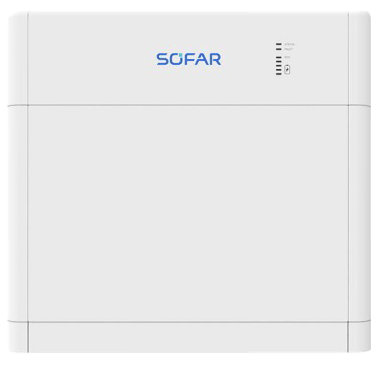
Energy storage systems (ESS) are crucial components of modern solar power setups. They allow homeowners and businesses to store excess energy generated by solar panels during the day and use it when the sun isn’t shining, such as at night or on cloudy days. By investing in energy storage, you can maximize your self-consumption of solar energy and significantly reduce reliance on the grid. This technology is essential for anyone looking to enhance energy independence, save on electricity bills, and improve energy security.

Benefits of Energy Storage Systems

Maximized Self-Consumption – Energy storage systems allow you to store excess solar energy for later use, ensuring you make the most of the electricity you generate. This reduces your need to purchase power from the grid, lowering your electricity bills.

Backup Power – In case of a power outage, energy storage systems can provide backup power, keeping essential appliances running when the grid fails. This is especially valuable in areas with unreliable grid service.

Energy Independence – With an energy storage system, you can become less dependent on the grid, increasing your energy autonomy. This is ideal for homeowners or businesses looking to reduce their vulnerability to electricity price fluctuations.

Environmental Impact – By using stored solar energy, you reduce your reliance on fossil fuels and decrease your carbon footprint, contributing to a more sustainable future.

Scalability – Energy storage systems are highly scalable, meaning you can easily expand your capacity as your energy needs grow or as your solar system is upgraded.

How Energy Storage Works

Energy storage systems are typically based on lithium-ion or lead-acid batteries, with lithium-ion batteries being the most common due to their higher efficiency, longer lifespan, and faster charging times. When your solar panels generate more energy than your home needs, the excess energy is stored in the battery. Later, when solar energy production is low (e.g., at night), the stored energy can be used to power your home or business. Some advanced systems even allow for energy management, where energy is prioritized based on your needs—either charging the battery, using the energy for your daily consumption, or exporting it to the grid.

Energy Storage vs. Grid Dependency

Unlike traditional grid-connected systems that rely solely on the availability of the electricity grid, energy storage systems provide an added layer of security by allowing you to use your own stored energy. This reduces your dependence on the grid and gives you control over your energy usage. While grid-tied systems are generally cheaper to install, energy storage systems offer a higher level of control, ensuring that you can use solar power when you need it most, even if the grid is down or energy prices rise.

Customer-Focused Benefits

Energy storage systems not only provide financial and environmental benefits, but they also offer peace of mind. Whether you are in a remote area or an urban location with frequent power outages, having a reliable energy storage system ensures that you always have access to energy when you need it most. Many systems also offer real-time monitoring via apps, allowing you to track your energy production, storage, and consumption, providing full transparency and control. This gives you confidence that you are maximizing your solar energy usage and saving money.

FAQ

How long do energy storage systems last?
Energy storage systems typically have a lifespan of 10 to 15 years, depending on the type of battery, usage, and maintenance. Lithium-ion batteries, for example, tend to last longer than lead-acid batteries.
Yes, most energy storage systems can be easily integrated into existing solar setups. However, it’s important to consult with a professional to ensure compatibility between your solar system and the storage solution.
Yes, modern energy storage systems are designed with multiple safety features, including protection against overcharging, overheating, and short circuits. Reputable brands comply with rigorous international safety standards, ensuring reliable and safe operation.
Absolutely! By storing excess solar energy and using it instead of buying electricity from the grid, you can significantly reduce your energy bills. Additionally, some systems offer time-of-use features, allowing you to store energy when it’s cheapest and use it when electricity prices are higher.
Yes, using energy storage systems in conjunction with solar panels greatly reduces reliance on fossil fuels and minimizes carbon emissions. By utilizing clean, renewable solar energy, you contribute to a more sustainable future.

Our partners

Scroll to Top